It's all about ...
plants



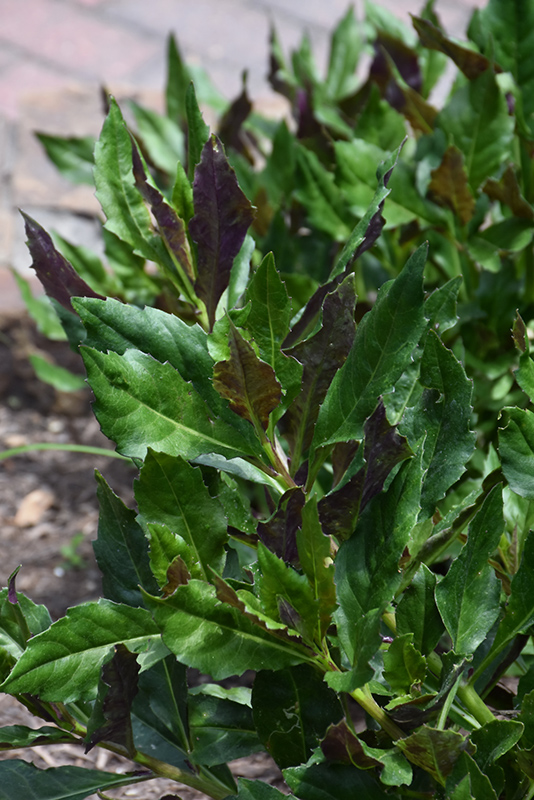
Height: 18 inches
Spread: 24 inches
Sunlight:


Hardiness Zone: 2a
Other Names: Longevity Greens
Description:
An interesting edible scrambling vine that can be trained to climb, or be allowed to naturally spread; young green leaves can be cooked into various dishes; prefers bright, indirect light; should be brought indoors in cooler climates
Ornamental Features
Longevity Spinach's oval leaves remain green in colour throughout the year on a plant with a spreading habit of growth.
Landscape Attributes
Longevity Spinach is a spreading evergreen perennial with a ground-hugging habit of growth. Its relatively fine texture sets it apart from other garden plants with less refined foliage.
This is a relatively low maintenance plant, and should not require much pruning, except when necessary, such as to remove dieback. Deer don't particularly care for this plant and will usually leave it alone in favor of tastier treats. Gardeners should be aware of the following characteristic(s) that may warrant special consideration;
- Spreading
Longevity Spinach is recommended for the following landscape applications;
- Groundcover
Planting & Growing
Longevity Spinach will grow to be about 18 inches tall at maturity, with a spread of 24 inches. Its foliage tends to remain dense right to the ground, not requiring facer plants in front. It grows at a medium rate, and under ideal conditions can be expected to live for approximately 10 years. As an evegreen perennial, this plant will typically keep its form and foliage year-round.
This plant does best in full sun to partial shade. It does best in average to evenly moist conditions, but will not tolerate standing water. This plant should not require much in the way of fertilizing once established, although it may appreciate a shot of general-purpose fertilizer from time to time early in the growing season. It is particular about its soil conditions, with a strong preference for rich, acidic soils. It is somewhat tolerant of urban pollution. Consider applying a thick mulch around the root zone in winter to protect it in exposed locations or colder microclimates. This species is not originally from North America.